
Me: I’m not obsessed. Also me: How much are we generating? Is the battery full? WHO JUST TURNED SOMETHING ON?!
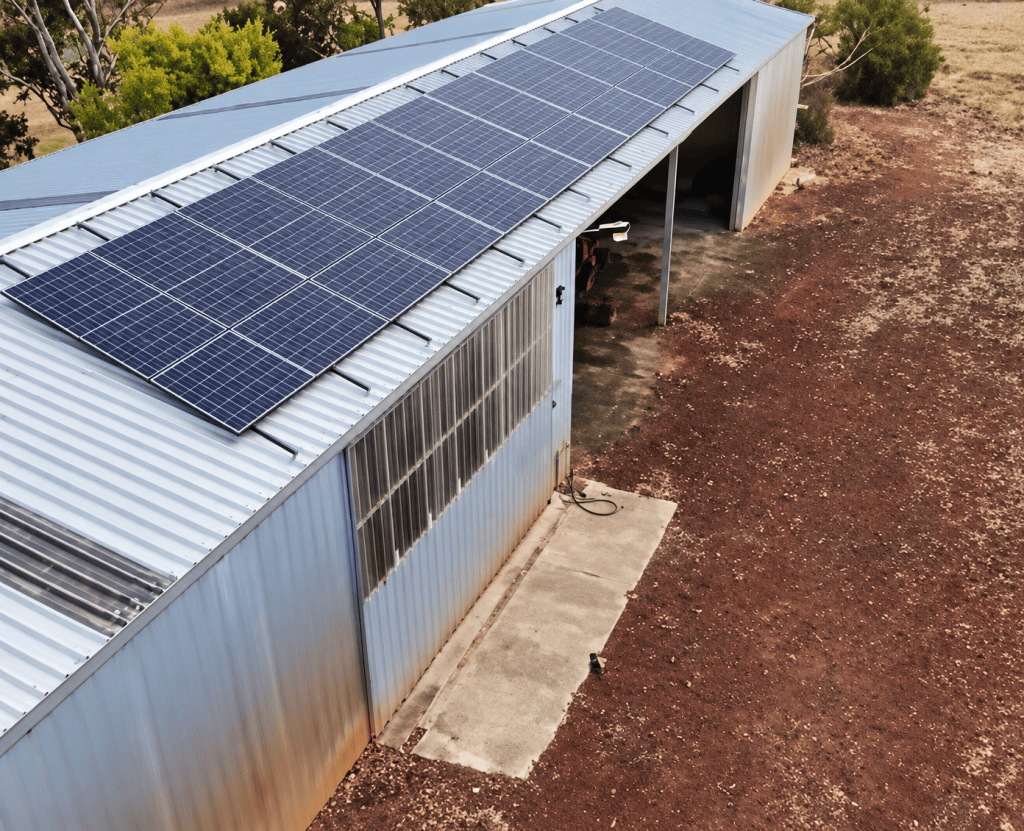
Ever since we installed new solar panels and a home battery, I have become a full-blown solar nerd. I check the app constantly, so I thought I’d share what we installed, what it cost and what it’s actually doing for us.
Our setup
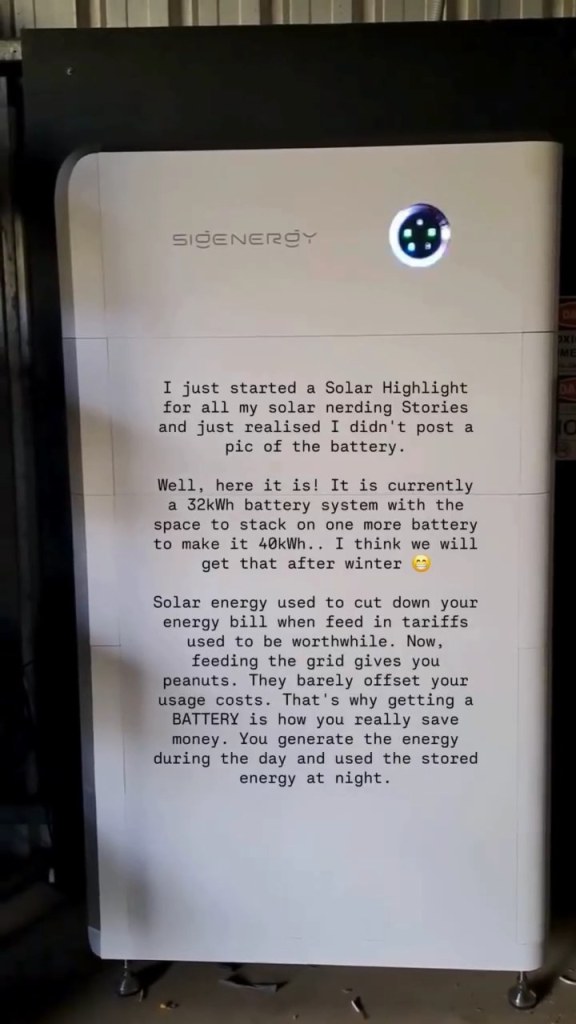
We already had solar panels on the house roof. This time we added new panels on the shed roof, plus a battery. It’s currently a 32kWh battery system, with space to stack one more battery to make it 40kWh. I think we’ll add that after winter.
Why a battery?
Solar energy used to cut down your energy bill when feed-in tariffs were worthwhile. Now, feeding the grid gives you peanuts and barely offsets your usage costs. That’s why getting a battery is how you really save money: you generate the energy during the day and use the stored energy at night.
What a sunny day looks like
It’s so fascinating watching it. Even on a day that isn’t super sunny, we’re producing double the amount of solar energy we’re consuming, while the dishwasher, dryer, TV, a few computers, the fridge and the chest freezer are all running. The battery fills up, ready to power the house that night when the sun goes down. We consume zero electricity from the grid, and whatever’s left over we sell back to it.
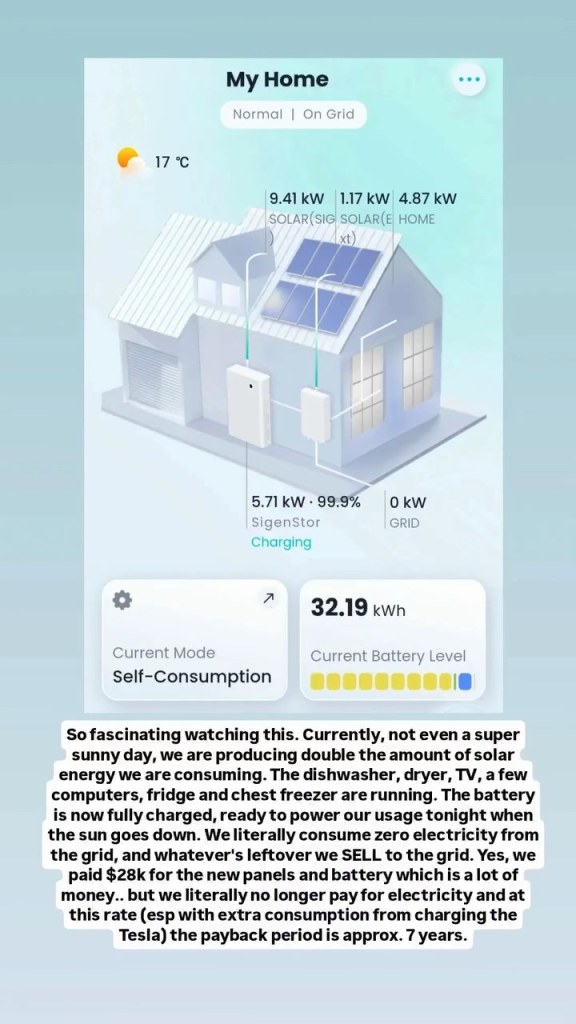
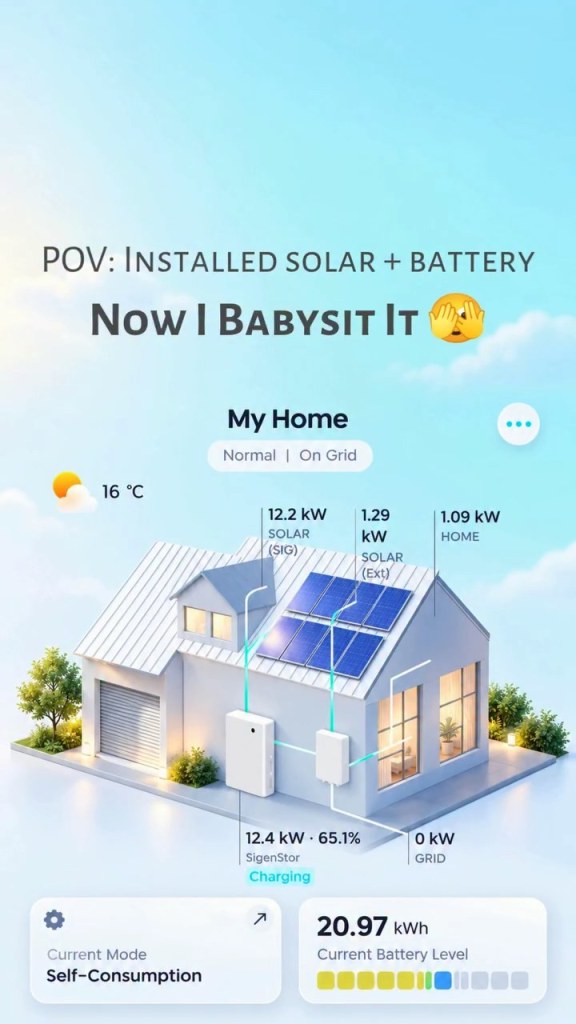
In the app, you can see the new panels on the shed roof and the old panels on the house roof both producing energy, along with what the battery is doing, what’s going to or from the grid, and how much energy the house is using right now. We only use and pay for grid energy when the solar isn’t producing and the battery is empty, and we export energy when the battery is full and the panels are producing extra.
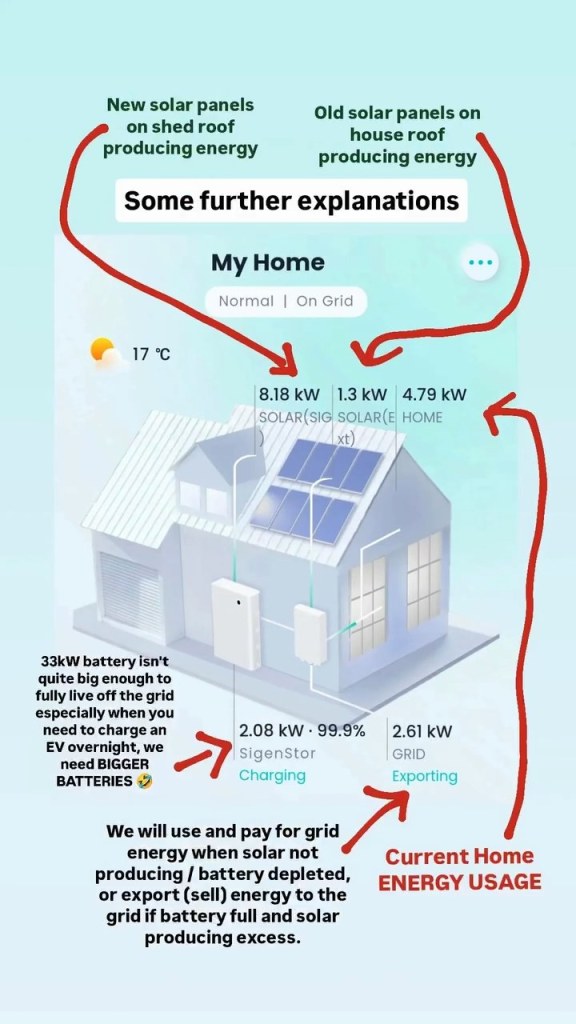
Our battery isn’t quite big enough for us to live fully off the grid yet, especially when we need to charge the EV overnight. We need bigger batteries!
What it cost and the payback
Yes, we paid $28k for the new panels and battery, which is a lot of money. But we no longer pay for electricity, and at this rate (especially with the extra consumption from charging the Tesla) the payback period is approximately seven years.
Even on a day that wasn’t the sunniest, by 3pm we’d “made” around $6 aka SAVED $6 from the energy we did not have to pay to use, after the sun had already fully charged our battery and powered the house.
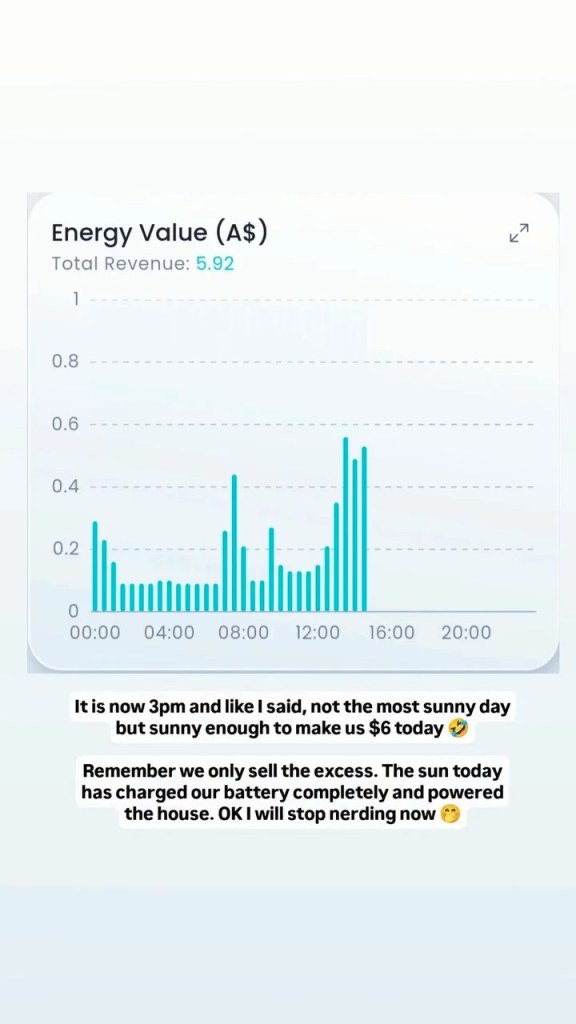
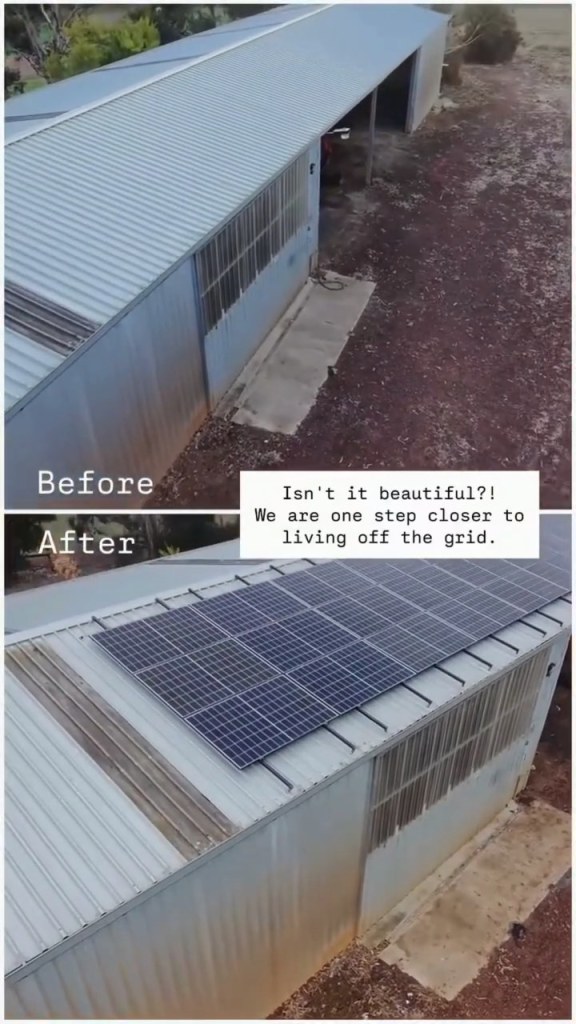
Isn’t it beautiful? We’re one step closer to living off the grid. OK, I’ll stop nerding out now… but if you have any questions about solar or batteries, ask away in the comments!


Leave a Reply